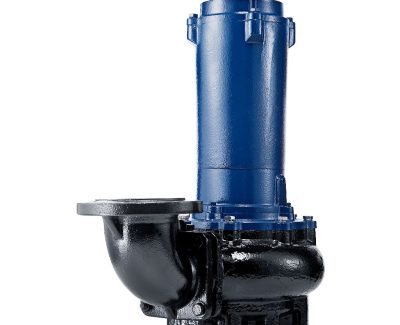
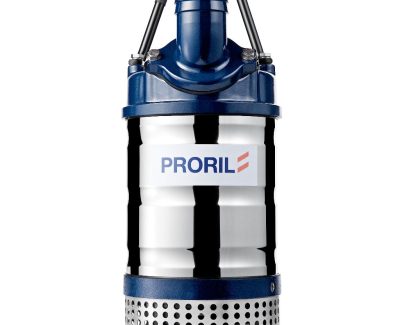
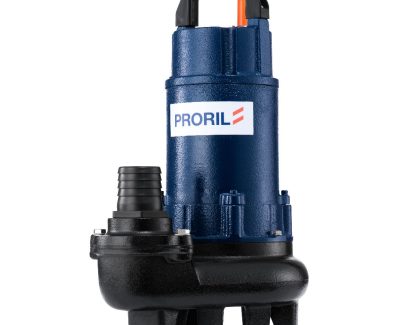
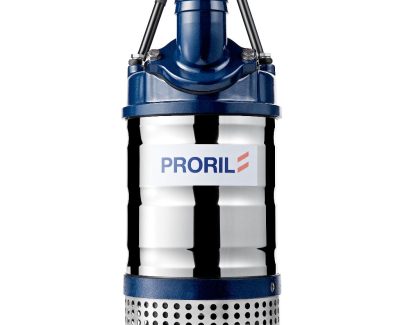
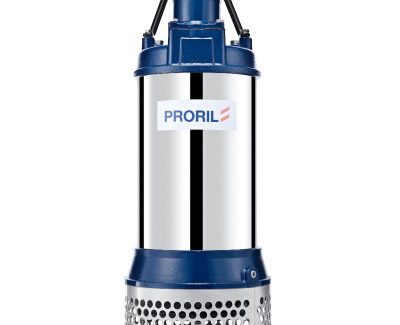
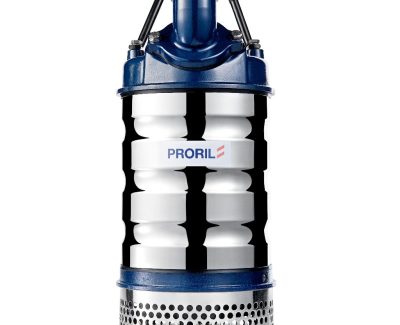
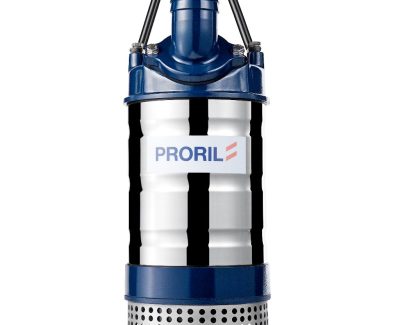
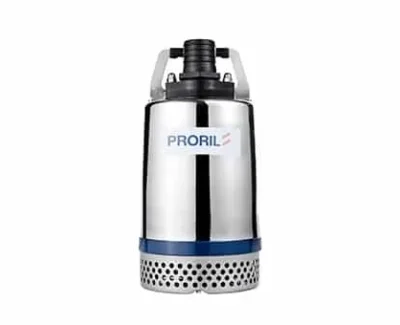
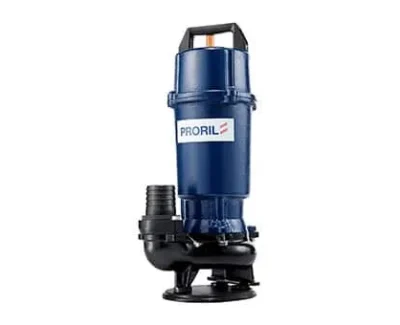
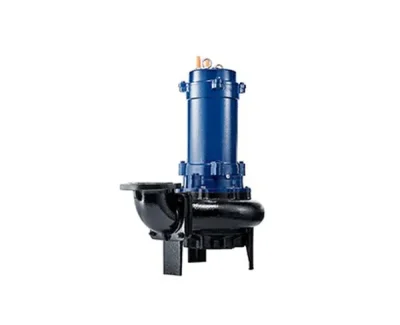
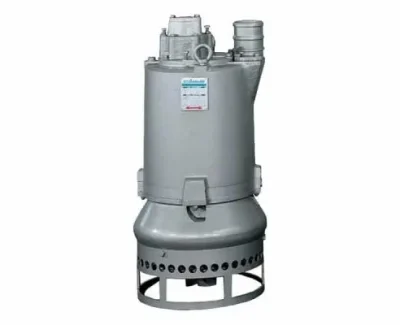
Submersible Pumps and Their Types
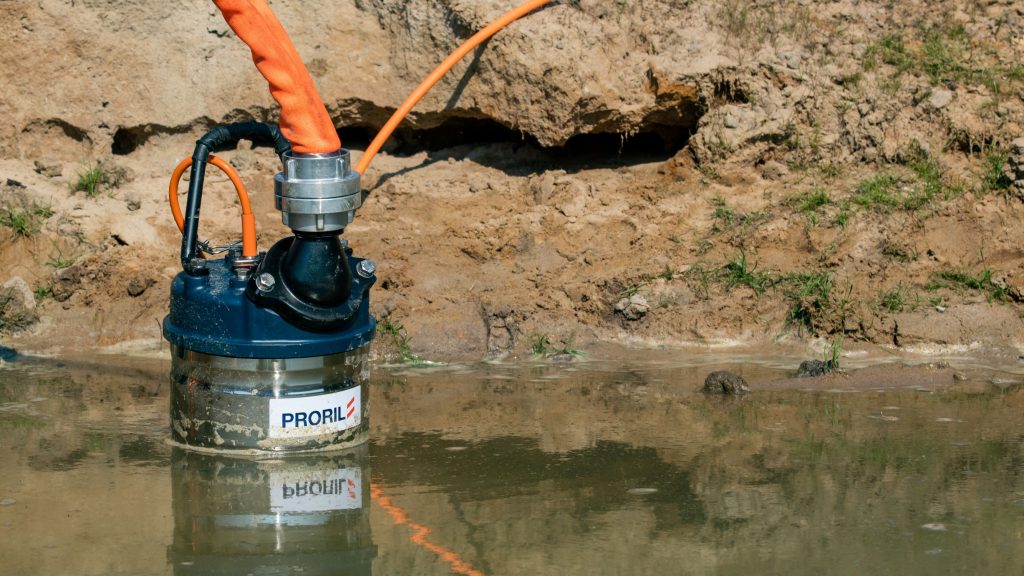
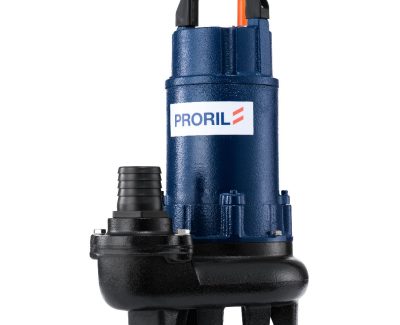
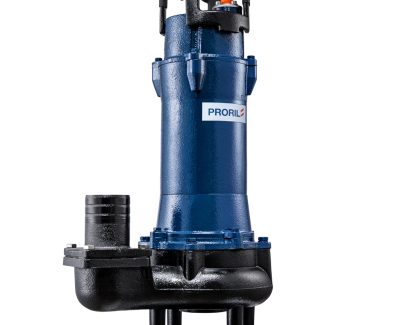
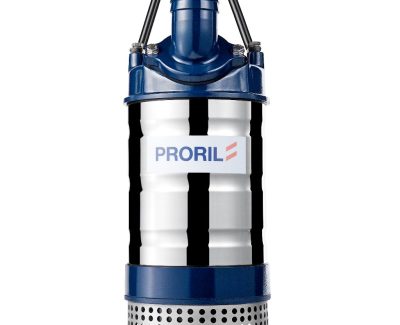
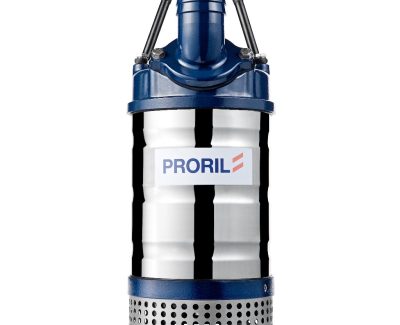
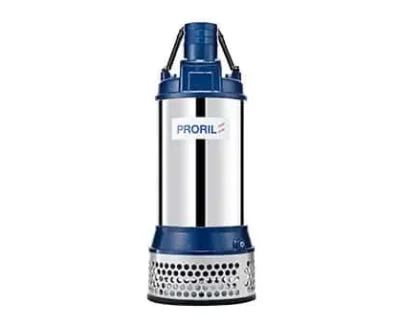
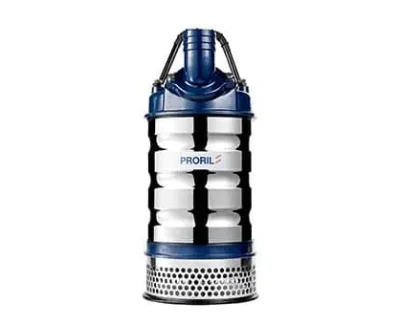
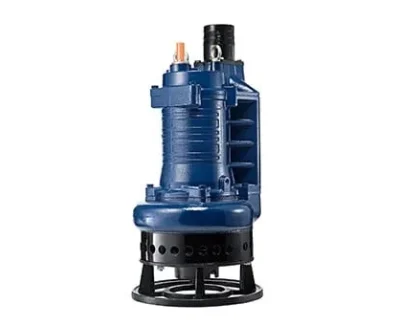
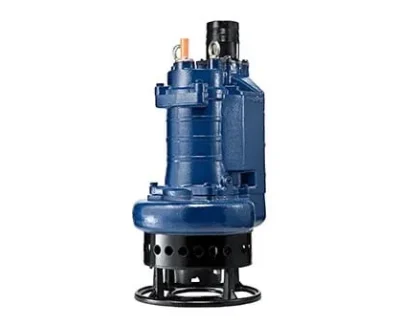
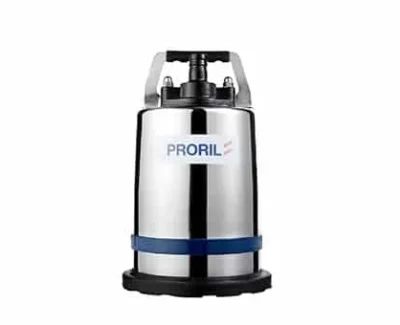
Submersible pumps are specialized devices designed to operate underwater, efficiently transferring fluids without requiring priming. These pumps are fully submerged in the fluid they are pumping, making them ideal for applications where traditional pumps may struggle due to suction limitations. Their sealed motors prevent water intrusion, ensuring reliable operation in challenging environments.
How Submersible Pumps Work
Submersible pumps operate by pushing water to the surface rather than pulling it. A hermetically sealed motor drives an impeller, which creates centrifugal force to move the liquid through the pump. Because they are submerged, these pumps avoid issues like cavitation, a common problem in above-ground systems.
Advantages of Submersible Pumps
- Efficient Operation: They minimize energy loss because they push liquid directly.
- Reduced Noise: Being underwater dampens noise, making them quieter than surface pumps.
- Space-Saving: No external mounting space is required.
- Versatility: Suitable for clean water, wastewater, and even slurry applications.
Common Types of Submersible Pumps
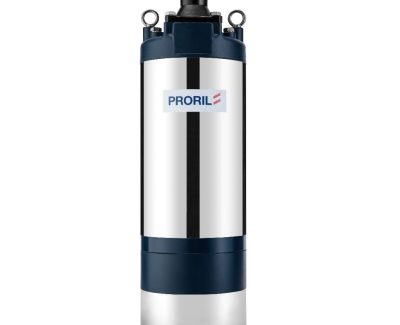
- Well Pumps:
- Designed for water wells, these pumps extract groundwater for residential, agricultural, or industrial use.
- They are available in shallow and deep well configurations, depending on the depth of the water table.
- Sump Pumps:
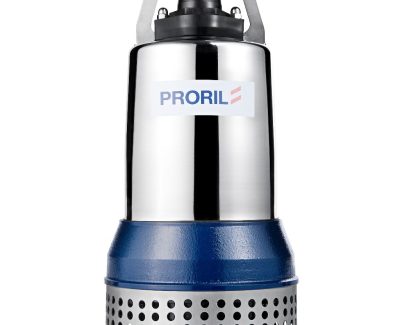
- Used to remove accumulated water in basements or low-lying areas.
- These pumps prevent flooding by automatically activating when water reaches a certain level.
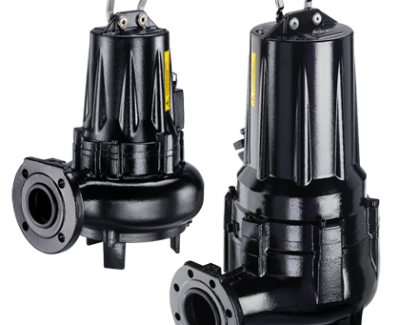
- Sewage Pumps:
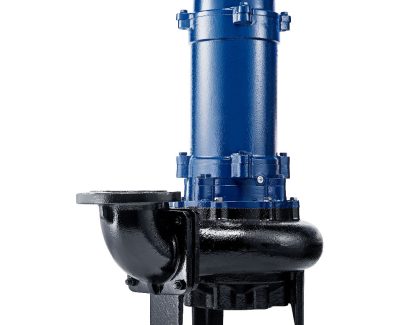
- Built to handle wastewater and solid waste in residential or municipal sewage systems.
- They feature wide impellers to process solids without clogging.
- Dewatering Pumps:
- Ideal for removing water from construction sites, mines, or flooded areas.
- They are lightweight and portable for easy deployment in temporary settings.
- Utility Pumps:
- Versatile pumps for general-purpose tasks like draining pools, hot tubs, or aquariums.
- Typically handle smaller volumes and are easy to operate.
- Slurry Pumps:
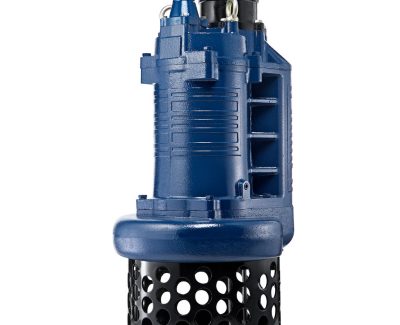
- Designed for heavy-duty applications involving abrasive or viscous fluids.
- Commonly used in mining, dredging, or industrial processes.
Maintenance and Considerations
- Proper Sealing: Regularly inspect seals to ensure they prevent water ingress.
- Debris Handling: Use pumps with appropriate impeller designs for handling solids or debris.
- Material Compatibility: Select pumps made from corrosion-resistant materials for harsh environments.
Submersible pumps are indispensable across a range of industries, offering reliable and efficient fluid management. Selecting the right type for your specific application ensures optimal performance and longevity.

 Submersible pumps